
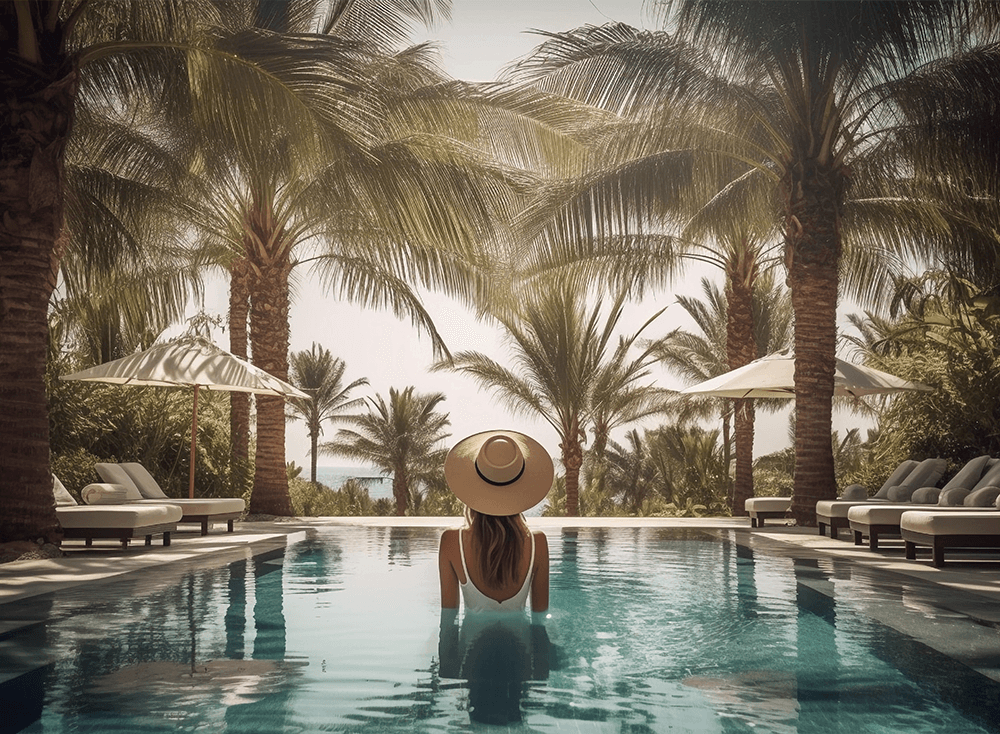
Who’s After the New Luxury?
A Look at the Trend Shaping Turkish Hotels
Flashy logos are out — what travellers want now is meaning and genuine care. When you think of premium hotels today, it’s no longer about over-the-top decor or spas the size of shopping malls. The new luxury is all about experiences that feel more refined, more personal, more intentional — where the service seems to know you better than you know yourself.

So, who’s willing to pay for this kind of luxury, and what exactly are hotels offering? Today, we explore the trend, using Turkey as a case in point.
HOW DEMAND FOR LUXURY HAS CHANGED
To better outline the scale of the topic, let’s clarify: this is not just another gimmick by hoteliers looking to stand out. It’s about global changes across all areas of luxury spending.
Last year, three segments made up 80% of the global luxury market: expensive cars, personal luxury goods, and… hotels.¹ Moreover, spending on goods fell for the first time in 15 years (excluding the COVID-19 pandemic period). Younger generations, especially Gen Z, are moving away from status symbols. As a result, the global base of luxury clients has decreased by 50 million people in less than two years.1
On the other hand, another trend is growing: people are increasingly spending on travel, events, and shared experiences.
Here are a few more interesting insights:
- The luxury hospitality sector grew by 4% in 2024.¹
- Bookings have increased — especially for family trips.
- The share of long-term reservations has risen: a year or more in advance.
WHO’S DRIVING THE CHANGES?
A bit of ageism
Around 40% of luxury goods and services clients in 2025 are under 40 years old.² Digital technologies and social media have shaped their perception of luxury. They seek not just to demonstrate status, but to embody their personal worldview. Prestige matters, yes, but meaning and authenticity come first.2
When it comes specifically to spending on luxury travel:
- Guests aged 40–49 spend the most — this group accounts for about 37.5% of the market.³
- The greatest growth potential lies with 50–59-year-olds (+≈102%) and 30–39-year-olds (+≈93%) — these groups are expected to drive demand in the coming years.³
Juniors in the world of luxury
Luxury travel is often associated with people of multimillion-dollar wealth. In reality, about 35% of today’s luxury travel market consists of travelers with assets under $1 million.3
These are the so-called aspiring luxury travelers,⁴ and their preferences include:
- indulging in luxury experiences for special occasions,
- expecting maximum value for their money,
- actively tracking loyalty programs, bonuses, and privileges,
- being willing to splurge on certain elements of the trip (such as a helicopter ride or a Michelin-starred dinner), but not on the entire journey.
Demanding — literally
Ever seen this question: "How likely are you to recommend this brand to a friend?" — with a scale from 1 to 10. That's how they measure loyalty index. And here's something to think about: in the luxury segment, Gen Z's loyalty index is 25–30 points lower than millennials'.¹ Meaning today's young people are far more critical and react strongly when promises don't deliver actual value.
What disappoints them?
- A sense that the price doesn’t match the value (noted by over 50% of respondents)¹
- Lack of personalization
- Loss of authenticity
The first two points are fairly self-explanatory, but the last one refers to when travellers experience a sterile trip. Leisure, interiors, menus, and experiences are no different from dozens of other locations worldwide — even if very expensive. Gen Z, however, seeks a sense of place, a living context, and uniqueness.
Interesting statistics
- 72% of luxury travellers prefer new destinations and locations — for comparison, only 44% of all the mass clientele responded the same.³
- They are also nearly twice as likely as average tourists to choose trips as a way to disconnect from gadgets and reclaim quiet time and attention for themselves.3
NEW LUXURY IN TRAVEL
So, what are affluent travellers looking for today? Experiences that evoke the emotions they crave and create lasting memories. And personalized impressions — without the need to spend time explaining what they want.
Some options have become so common that they’ll soon be expected by default:
- Sleep à la carte. Guests can choose from a pillow menu with various firmness levels, fillings, and heights.
- Scents as memory anchors. Travellers can select a custom fragrance blend for their room to enhance the feeling of personal space.
- Farm-to-table gastronomy. Instead of ostentatious exotic dishes like molecular foams or lobsters — menus “from farm to table”, featuring local recipes prepared with produce grown in the hotel’s own garden or sourced from local farmers.
A VARIETY OF EXPRESSIONS
Hotels are finding countless ways to add more value to the art of rest — and Turkey offers some of the best examples.
CULLINAN GOLF & RESORT BELEK
The hotel takes its name from the world’s largest diamond,5 yet its luxury goes far beyond appearances. It’s one of those places where you can truly devote yourself to rest: children are happily occupied until late at night, and your only real challenge is choosing which kind of cheese to have for breakfast.
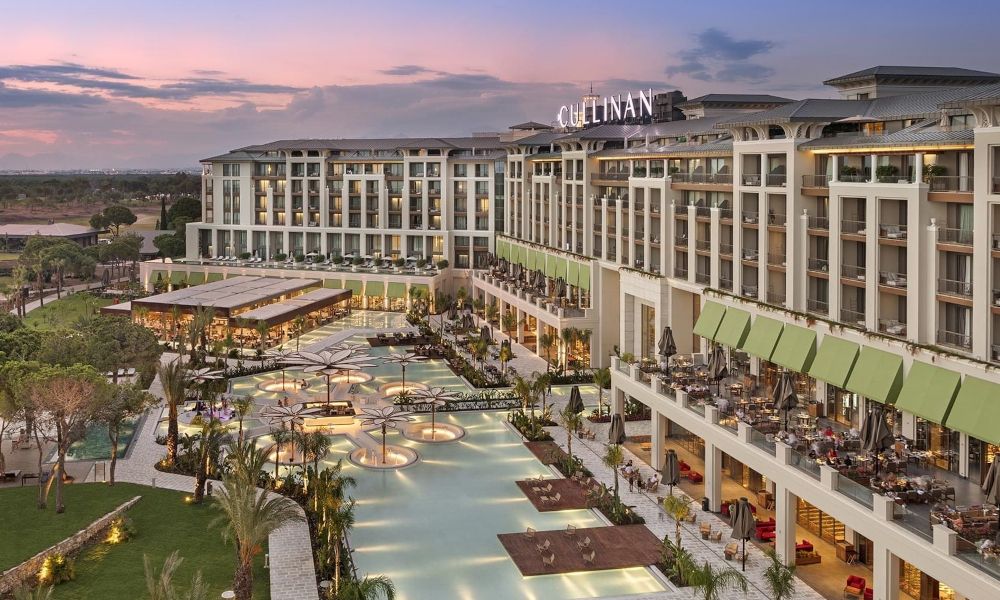
- *In season, kids can stay at the children’s club until 2 a.m. — and they won’t get bored. The program includes a variety of artistic activities, such as ceramics, woodworking, painting, and ballet — perfect for discovering a new hobby.
- Those who relax as enthusiastically as they work will appreciate the large detox corner in the main restaurant: fresh juices, smoothies, and drinks made to order.
- And there’s also Turkey’s only golf course, bordered by the sea on one side and a river on the other. What could be better than playing against the backdrop of the Taurus Mountains? Perhaps only a unique night game on nine illuminated holes.
ETHNO HOTEL BELEK
The hotel has been operating for about a year, but the experience still feels like sitting behind the wheel of a car in a showroom: everything is shiny, untouched, and fresh. And your navigator is set on a route to a holiday full of discoveries. At Ethno, they truly understand the value of living every moment in harmony with your values and enjoying knowing that the people around you share your desires.
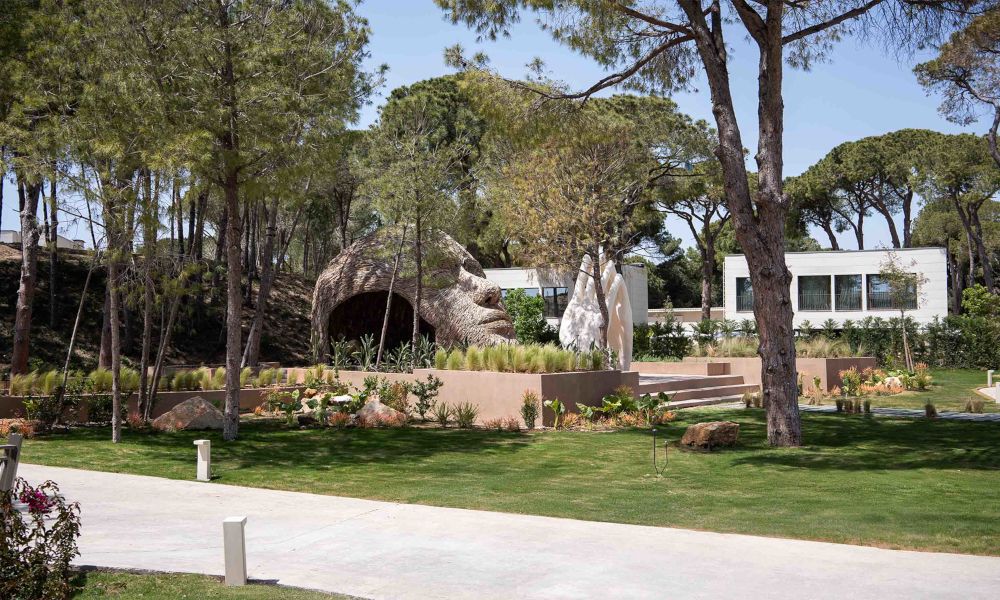
- A personal assistant via WhatsApp ensures you don’t miss a thing: daily event schedules, reminders for yoga or masterclasses, and reservations for cabanas and dinner tables.
- You can be inspired by visits to cabarets and à la carte restaurants, then learn the history of drinks and create your own gastronomic masterpieces in exclusive masterclasses. These events take you on a sensory journey: one day it could be making chocolate confections, another day mixing cocktails, wine and whiskey tastings, or sushi preparation.
- A variety of body and spiritual practices open up yet another dimension of invaluable experiences. For example, guided meditation with singing bowls and gongs is conducted by shamans directly in the pool. Imagine: gentle swaying on a floating mat induces a sensation of weightlessness while the water transmits sound waves as if directly to your body. Or a goal-setting session during a cacao ceremony following Peruvian traditions.
Discover a new level of luxury with Join UP!
1 Bain & Company is one of the key and widely cited sources in the international luxury goods industry. The company analyzes over 280 leading companies and brands in the luxury goods sector — together known as the Luxury Goods Worldwide Market Observatory. Review of the latest report.
2 Luxury Trends 2025: What Elite Brands Need to Know
3 The study The state of tourism and hospitality 2024» від McKinsey & Company urveyed over 5,000 tourist respondents from China, Germany, the UAE, the UK, and the USA. Luxury travelers are those who spend on average $500 or more per night on accommodation.
4 “Aspiring” refers to someone with ambition in a certain area who is taking the first steps in the chosen direction but has not yet reached their goal. Aspiring luxury travelers are those already interested in the luxury segment, willing to occasionally spend, and seeking greater experiences, status, and service.
5 Cullinan Diamond: Wikipedia
6 Tea made from the bright blue flowers of the Thai orchid (Clitoria ternatea)